

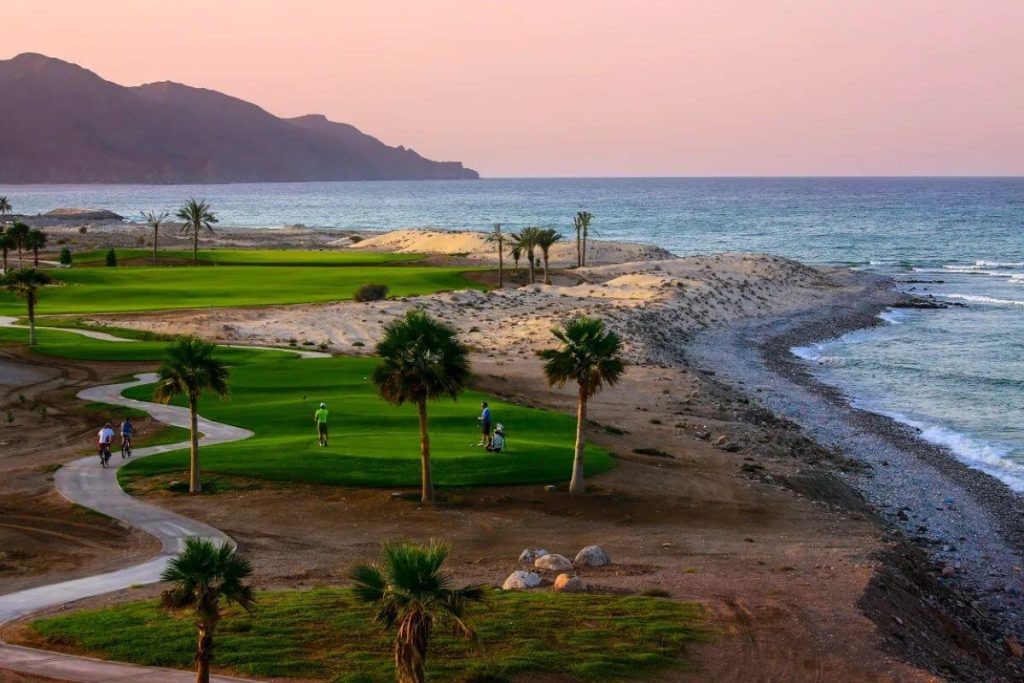
For high-end golf travelers seeking destinations beyond traditional hubs, the contrast between Vietnam and Oman has become increasingly compelling. While both countries are emerging stars in the luxury golf tourism market, their appeal lies in entirely different philosophies of landscape, culture, and travel rhythm. Travelers researching oman tours alongside premium golf journeys in Southeast Asia often discover that these two destinations represent opposite, yet equally refined, interpretations of luxury golf experiences.
Rather than competing directly, Vietnam and Oman illustrate how diverse the future of luxury golf travel has become - where personalization, authenticity, and emotional connection now matter as much as course design itself.
The Evolution of Luxury Golf Travel in Asia and the Middle East

A Global Shift Toward Experiential Golf Tourism
According to the UN World Tourism Organization (UNWTO) and Golf Tourism England, modern golf travelers increasingly prioritize destinations that offer cultural depth, natural beauty, and immersive experiences beyond the fairway. This shift has fueled the rise of non-traditional golf destinations across Asia and the Middle East.
Vietnam and Oman exemplify this evolution from different ends of the spectrum. Vietnam’s luxury golf scene thrives on diversity, accessibility, and vibrant local culture, while Oman’s appeal is rooted in exclusivity, restraint, and timeless landscapes.
Strategic Tourism Development Models
Vietnam has embraced golf as a key pillar of its high-end tourism strategy, with over 80 golf courses nationwide and continuous investment from international designers. Oman, by contrast, has pursued a selective approach, focusing on a limited number of world-class courses integrated into carefully planned luxury tourism zones.
These distinct development paths shape the very nature of the golf experiences offered in each country.
Luxury Golf in Vietnam: Diversity, Energy, and Coastal Elegance

Vietnam’s Rise as Asia’s Golf Powerhouse
Over the past two decades, Vietnam has rapidly gained recognition as one of Asia’s most dynamic golf destinations. Publications such as Golf Digest, Forbes Travel Guide, and Asia Golf Monthly have consistently highlighted Vietnam for its course quality, value, and scenic variety.
From the limestone karsts of Ha Long to the central coastline of Da Nang and the temperate highlands of Dalat, Vietnam offers golfers a wide range of visual and technical experiences within a single country.
Signature Golf Regions and Course Design Excellence
Vietnam’s luxury golf identity is strongly shaped by its regional diversity:
Central Vietnam – Coastal Championship Golf
Da Nang and Hoi An are home to internationally acclaimed courses designed by legends such as Jack Nicklaus, Greg Norman, and Luke Donald. Courses like Ba Na Hills Golf Club and Hoiana Shores Golf Club combine rolling dunes, sea breezes, and mountain backdrops.
Northern Vietnam – Heritage and Highland Golf
In the north, golf courses often integrate cooler climates and cultural heritage. Courses near Hanoi and in mountainous areas emphasize strategic play and scenic immersion.
Southern Vietnam – Tropical Urban Luxury
Around Ho Chi Minh City, private clubs and resort-style courses cater to business travelers and expatriates, blending golf with urban sophistication.
This diversity positions Vietnam as a destination where golfers can experience multiple styles of play within a single itinerary.
Hospitality and Accessibility
Vietnam’s luxury golf experience is strongly supported by a mature hospitality infrastructure. International brands such as InterContinental, Banyan Tree, and Six Senses operate golf-adjacent resorts, offering seamless transitions between course and accommodation.
Vietnam’s well-connected airports, relatively affordable luxury services, and flexible travel logistics make it particularly attractive for long-haul travelers combining golf with broader cultural exploration.
Luxury Golf in Oman: Exclusivity, Landscape, and Timeless Refinement

A Different Philosophy of Luxury
Oman’s approach to luxury golf is intentionally restrained. Rather than offering quantity, Oman emphasizes quality, privacy, and a strong sense of place. This philosophy aligns with the country’s broader tourism strategy, which prioritizes sustainable, high-value travel experiences.
Golf travelers drawn to Oman often seek solitude, dramatic scenery, and understated elegance rather than busy resort environments.
Iconic Golf Courses Shaped by Nature
Oman’s leading golf courses stand out for their deep integration with natural terrain:
Al Mouj Golf – Coastal Prestige
Designed by Greg Norman, Al Mouj Golf in Muscat is internationally recognized for its seaside holes and championship-level design. Regularly ranked among the Middle East’s top courses, it has hosted Asian Tour events and continues to attract elite golfers seeking coastal golf with Arabian character.
Ghala Golf Club – Canyon Golf Experience
Set within a natural wadi, Ghala Golf Club offers one of the most distinctive playing environments in the region. Elevation changes, rocky outcrops, and desert vegetation create a course that feels shaped by the land rather than imposed upon it.
Cultural Depth Beyond the Course
What distinguishes Oman from many golf destinations is the seamless integration of golf with cultural and natural experiences. Golf itineraries often include visits to historic forts, UNESCO-listed sites, desert landscapes, and traditional coastal towns.
Luxury accommodations such as Al Bustan Palace and Six Senses Zighy Bay reinforce this sense of authenticity, offering refined comfort without detaching travelers from local identity.
Vietnam and Oman: A Comparative Perspective on Luxury Golf Travel
Landscape and Visual Experience
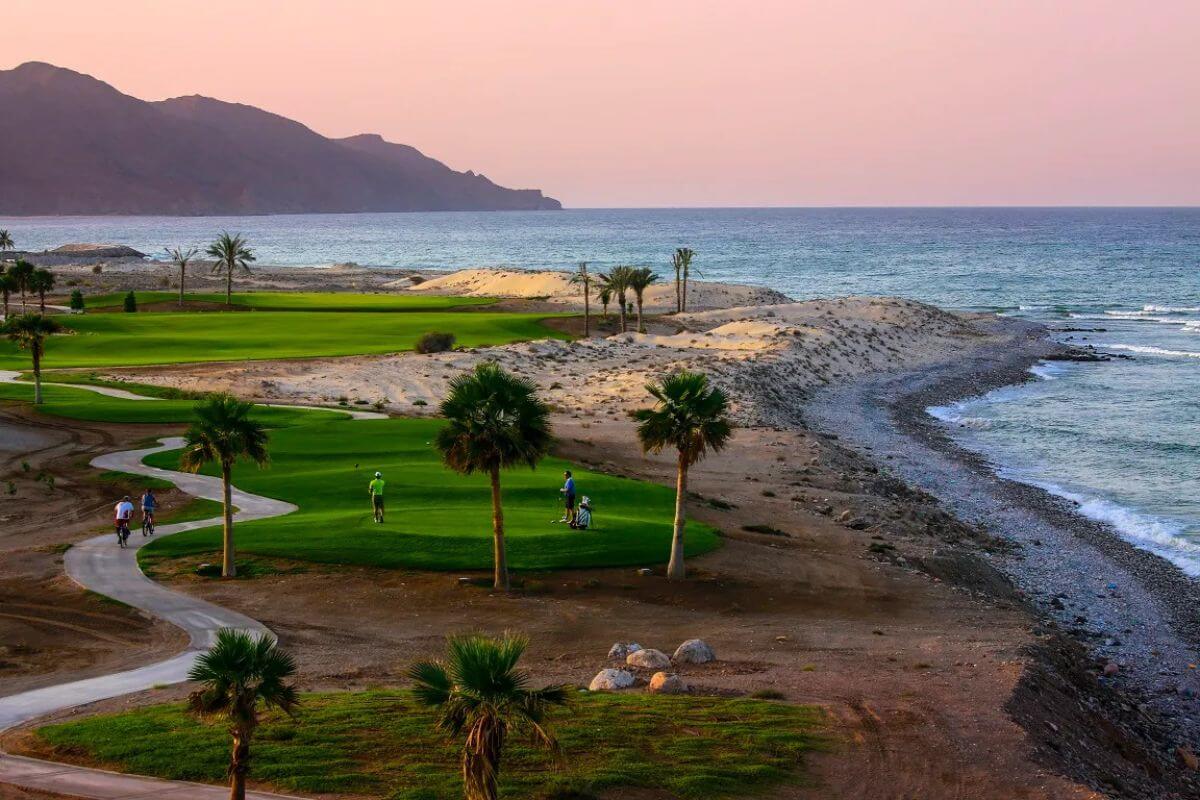
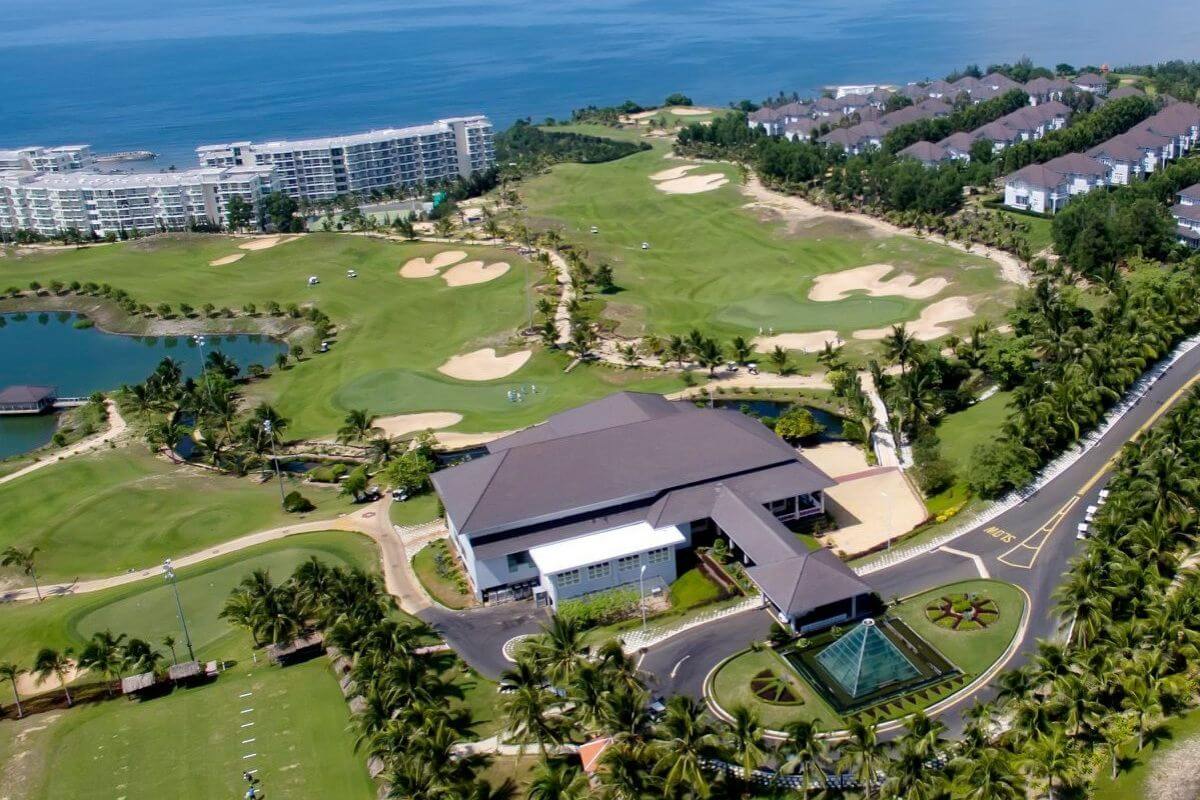
Vietnam’s golf courses are defined by variety - coastlines, mountains, rivers, and tropical vegetation often coexist within short distances. Oman, on the other hand, offers a more dramatic and minimalist aesthetic, where desert tones, rugged mountains, and open skies dominate the visual narrative.
Each landscape evokes a different emotional response: Vietnam’s courses feel vibrant and dynamic, while Oman’s courses convey calm, scale, and timelessness.
Pace of Travel and Atmosphere
Vietnam’s golf destinations often sit near lively towns and cultural centers, allowing travelers to blend golf with culinary exploration, nightlife, and local interaction. This creates a sense of energy and movement throughout the journey.
Oman offers a slower, more contemplative rhythm. Tee times are unhurried, resorts are spacious, and silence is often part of the experience. This appeals strongly to travelers seeking mental space and exclusivity.
Accessibility vs. Seclusion
Vietnam benefits from extensive flight connections across Asia and Europe, making it easier to integrate into multi-country itineraries. Oman, while increasingly accessible through Muscat International Airport, retains a sense of remoteness that enhances its exclusivity.
For some luxury golfers, accessibility defines convenience; for others, seclusion defines true luxury.
Designing High-End Golf Itineraries: Vietnam or Oman?
Vietnam: Multi-Destination Golf Journeys
Vietnam lends itself well to extended, multi-stop golf itineraries. Travelers often combine several regions - such as Hanoi, Da Nang, and Ho Chi Minh City - into a single journey, experiencing multiple courses and cultural settings.
The country’s competitive pricing and service-oriented hospitality allow for longer stays without compromising comfort.
Oman: Curated, Purposeful Experiences
Luxury golf travel in Oman tends to be more focused and intentional. Itineraries are shorter but highly curated, combining a limited number of rounds with bespoke cultural and nature-based experiences.
This model appeals to seasoned travelers who value depth over breadth and seek destinations that feel rare and meaningful.
The Future of Luxury Golf Travel: What Vietnam and Oman Represent
Industry experts from organizations such as the International Association of Golf Tour Operators (IAGTO) view Vietnam and Oman as symbols of two complementary luxury golf trends.
Vietnam represents the evolution of golf as an integrated lifestyle experience - dynamic, diverse, and socially engaging. Oman embodies the future of mindful luxury - where restraint, sustainability, and authenticity define value.
As global golf travelers become more discerning, these contrasting approaches ensure that both destinations will continue to attract attention from different segments of the luxury market.
Two Destinations, One Elevated Standard of Golf Luxury
Vietnam and Oman may offer vastly different luxury golf experiences, but both reflect a shared commitment to quality, authenticity, and thoughtful development. Vietnam captivates with its diversity, energy, and cultural richness, while Oman impresses with its serenity, landscape-driven design, and refined exclusivity.
For luxury golf travelers and industry observers alike, these destinations demonstrate that the future of golf tourism lies not in imitation, but in embracing distinct identities. Whether through Southeast Asia’s vibrant coastlines or the Arabian Peninsula’s timeless deserts, luxury golf is evolving - and Vietnam and Oman are leading that transformation in their own unique ways.