


Timing plays a decisive role in how golfers experience a destination, and Oman is no exception. While the country is often associated with desert landscapes and warm climates, its seasonal variations significantly influence playing conditions, travel comfort, and the overall quality of a golf journey. For travelers researching true oman tours, understanding when to visit is as important as choosing the right course or accommodation, as the rhythm of Oman’s seasons shapes everything from course maintenance to cultural immersion beyond the fairways.
Rather than offering a single “perfect” golf season, Oman presents distinct periods, each appealing to different types of golfers and travel priorities. From peak winter months favored by international players to quieter transitional seasons offering greater flexibility, the best time to experience golf in Oman depends on how travelers define balance, comfort, and depth of experience.
Understanding Oman’s Climate and Its Impact on Golf Travel

To evaluate the best time for golf in Oman, it is essential to understand the country’s climate patterns and how they interact with outdoor activities. Oman’s geography creates diverse microclimates, but golf travelers are primarily influenced by temperature, humidity, and daylight hours.
A Desert Climate with Seasonal Nuance
Oman experiences a predominantly arid climate, characterized by warm winters and hot summers. However, unlike many desert destinations, seasonal shifts are gradual rather than abrupt, allowing for extended shoulder seasons that remain attractive to golfers.
According to data from the Oman Meteorology Department, average temperatures range from 18–28°C (64–82°F) during winter months, while summer temperatures can exceed 40°C (104°F) in inland areas. Coastal regions benefit from sea breezes, though humidity becomes a factor during warmer periods.
Why Climate Matters More in Golf Than Other Travel Styles
Golf is uniquely sensitive to climate. Temperature affects stamina and focus, humidity influences comfort, and daylight hours determine flexibility in tee times. As noted by Golf Digest Middle East, destinations that combine stable weather with lower humidity consistently rank higher among international golf travelers.
In Oman, seasonal timing directly impacts not only playing comfort but also how golfers experience the destination beyond the course.
The Peak Golf Season in Oman: Why Winter Remains the Preferred Choice
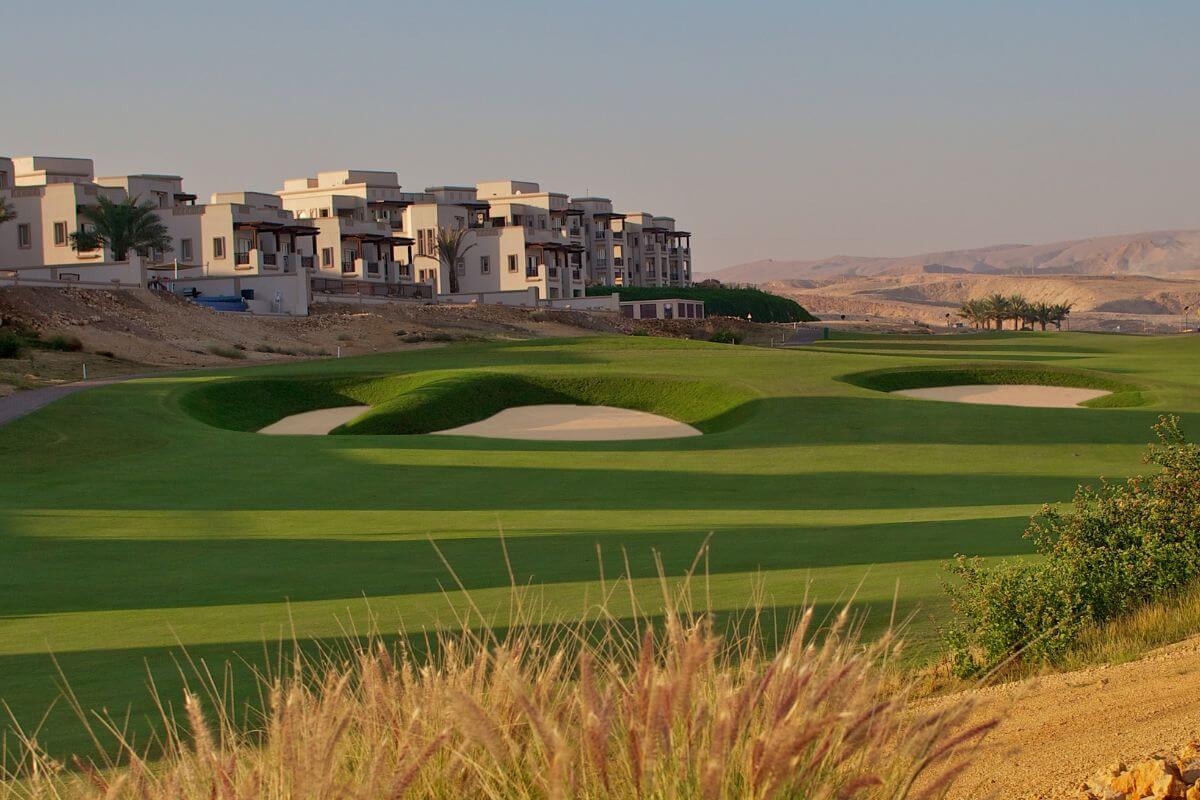
For most international golfers, winter is widely regarded as the best time to experience golf in Oman. This period typically spans from November through March and aligns closely with Oman’s high tourism season.
Ideal Playing Conditions from November to March
During winter months, daytime temperatures remain mild, often ranging between 22–26°C (72–79°F), creating comfortable conditions for full rounds of golf. Early mornings and late afternoons offer particularly pleasant playing windows, with minimal heat stress.
Course conditions during this season are consistently strong. Cooler temperatures support turf quality, while maintenance schedules are optimized to meet increased demand. According to regional golf operators, winter months often see the highest international participation in tournaments and golf-focused travel.
A Balance Between Golf and Cultural Exploration
Winter is also the most favorable season for exploring Oman beyond the fairways. Historic sites, desert excursions, and coastal travel are all more comfortable during this period, allowing golfers to integrate cultural experiences into their itineraries.
This balance is particularly appealing to travelers who view golf as part of a broader journey rather than a standalone activity. Publications such as Condé Nast Traveler have highlighted Oman’s winter season as ideal for travelers seeking both outdoor activity and cultural depth.
Shoulder Seasons in Oman: Spring and Autumn for Flexible Golf Travel
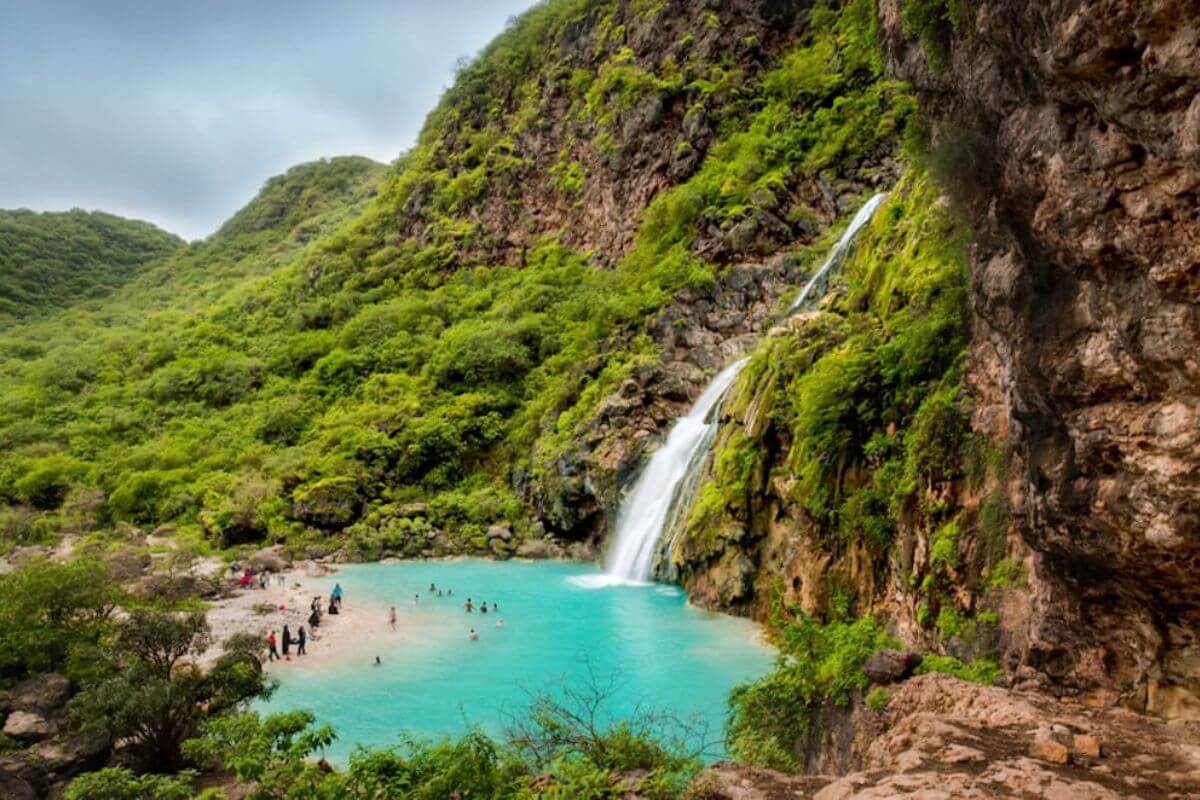
While winter dominates attention, spring and autumn represent valuable alternatives for golfers seeking a different pace or greater itinerary flexibility.
Spring Golf in Oman: March to Early May
Spring in Oman brings gradually rising temperatures but remains manageable for many golfers, particularly during morning tee times. Average temperatures range from 25–32°C (77–90°F), making early play especially appealing.
During this period, traveler numbers begin to decrease compared to peak winter months. This shift often translates into greater availability of preferred tee times and accommodations, as well as a more relaxed atmosphere on and off the course.
For golfers who prioritize flexibility and fewer crowds over idealized weather, spring can represent a strategic choice.
Autumn Golf in Oman: Late September to October
Autumn marks the transition from summer heat to milder conditions. While early autumn may still bring higher temperatures, particularly inland, the gradual cooling trend becomes noticeable by October.
Golfers visiting during autumn often benefit from quieter courses and personalized service. As tourism activity begins to build toward winter, early arrivals enjoy the advantages of peak-quality facilities without peak-season density.
Industry insights from Skift Travel Research suggest that shoulder seasons are increasingly attractive to experienced travelers who value discretion and adaptability over traditional peak travel windows.
Summer Golf in Oman: For Whom Does It Make Sense?
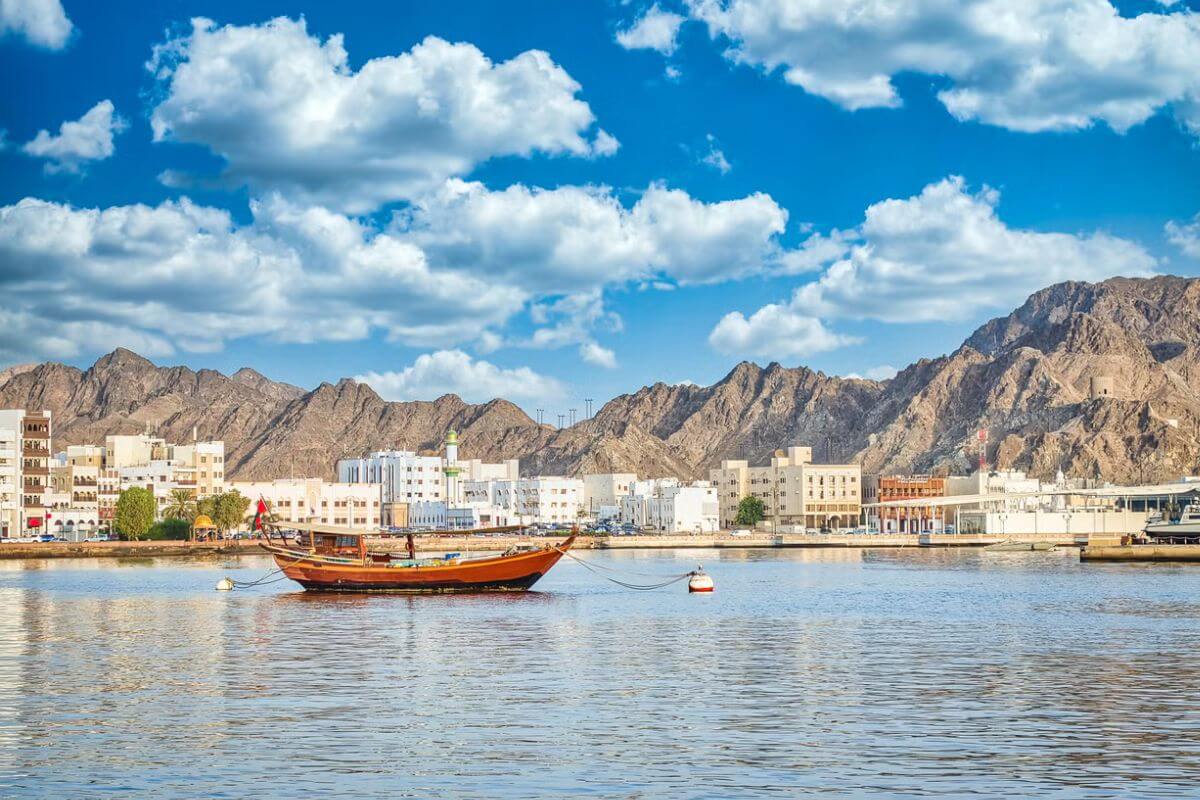
Summer, typically from June to September, is Oman’s least popular season for golf travel due to high temperatures. However, this period is not without its niche appeal.
Understanding Summer Conditions on the Course
Summer temperatures in Oman can exceed 40°C, particularly in inland areas. Coastal regions experience slightly lower temperatures but higher humidity. These conditions significantly affect playing comfort and require careful scheduling.
Golf during summer is generally limited to early morning or twilight rounds. Courses remain operational, but demand is notably lower.
A Season for Experienced or Regionally Based Golfers
Summer golf in Oman tends to appeal to golfers already familiar with hot-weather play or travelers based in nearby regions. For these visitors, reduced travel demand can translate into highly personalized experiences and competitive pricing.
However, for most international golf travelers, summer is better suited for planning and itinerary design rather than active play.
How Seasonal Timing Shapes the Overall Golf Experience in Oman
Choosing when to experience golf in Oman goes beyond temperature charts. Seasonal timing influences how golfers interact with the destination as a whole.
Course Atmosphere and Player Density
During peak winter months, courses feel lively and social, with international players contributing to a dynamic atmosphere. In contrast, shoulder seasons offer quieter rounds and a greater sense of space.
Neither environment is inherently superior; rather, each appeals to different traveler preferences. Some golfers thrive on social interaction and tournament energy, while others prefer solitude and reflection.
Service, Customization, and Access
Seasonal demand also affects the level of customization available. During quieter periods, service providers often have greater flexibility to adapt itineraries, adjust tee times, and incorporate spontaneous experiences.
This dynamic reinforces the importance of aligning travel timing with personal expectations rather than defaulting to conventional peak seasons.
Weather, Events, and Cultural Timing: Beyond the Scorecard
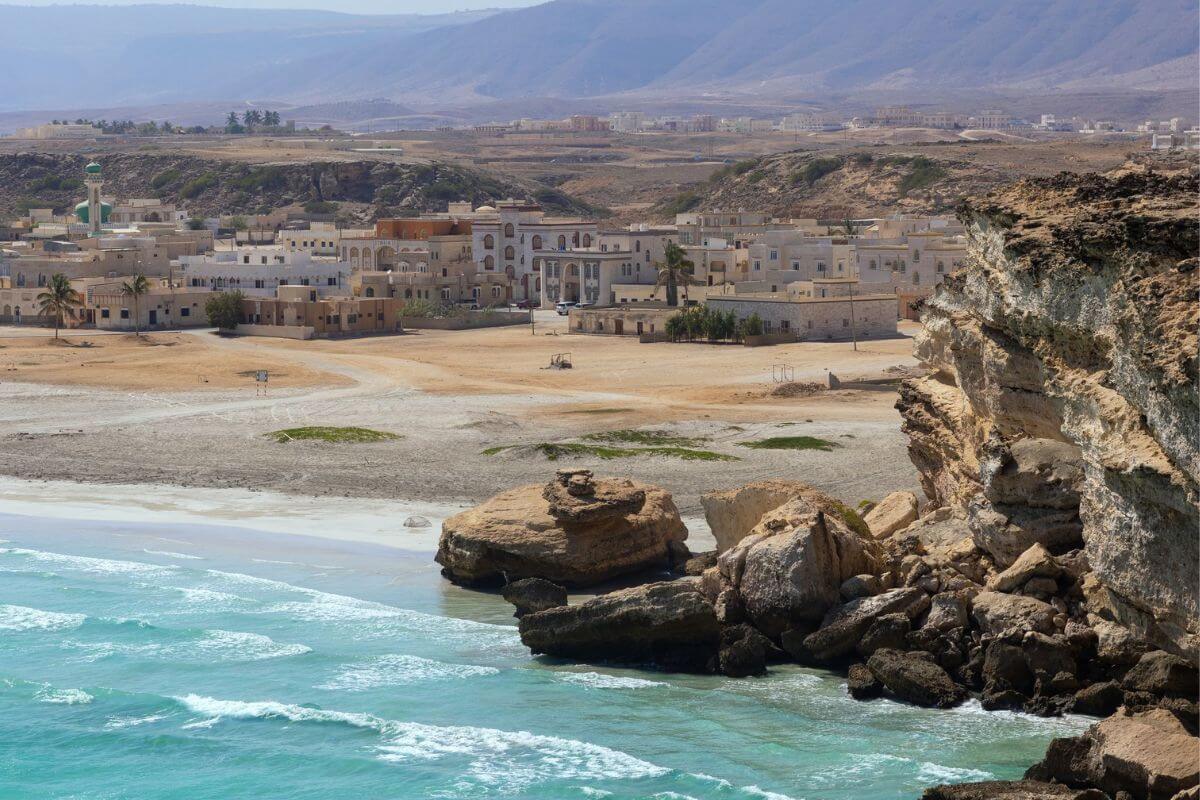
Seasonal timing in Oman also influences cultural events and travel rhythm, which can significantly enhance or reshape a golf journey.
Cultural Events and National Celebrations
Oman’s National Day, celebrated in November, often coincides with the start of peak golf season. During this time, visitors may encounter cultural performances, exhibitions, and local festivities that add depth to the travel experience.
Religious observances such as Ramadan also affect travel timing. While golf courses typically remain open, dining and daily rhythms change. For some travelers, visiting during Ramadan offers insight into local life, while others may prefer non-observance periods for logistical ease.
Seasonal Landscapes and Natural Variation
Oman’s landscapes subtly change throughout the year. Winter and early spring may bring greener mountain regions, while desert areas display shifting colors and light conditions across seasons.
These variations influence photography, outdoor exploration, and the overall emotional tone of a journey - elements increasingly valued by modern golf travelers.
Choosing the Best Time Based on Travel Priorities

There is no universally “best” time to experience golf in Oman. Instead, the optimal period depends on how travelers prioritize comfort, atmosphere, flexibility, and cultural engagement.
- For ideal weather and full destination access: November to March
- For fewer crowds and flexible itineraries: Spring and autumn
- For experienced hot-climate golfers or regional visitors: Summer
Luxury travel analysts consistently emphasize that aligning seasonality with personal expectations leads to higher satisfaction than pursuing peak periods by default.
Timing as the Key to Experiencing Golf in Oman Fully
Golf in Oman is shaped as much by timing as by terrain. The country’s seasonal rhythms influence not only playing conditions but also how travelers connect with the landscape, culture, and pace of life beyond the fairways.
Whether experienced during the mild winter months or explored through quieter transitional seasons, Oman offers golfers the opportunity to define their journey on their own terms. The best time to experience golf in Oman is ultimately the moment when climate, travel style, and personal priorities align - transforming a golf trip into a well-balanced, memorable journey rather than a fixed seasonal obligation.