


Vietnam has become an increasingly attractive destination for golfers, thanks to its coastal layouts, mountain courses and year-round selection of places to play. Yet spending every day on the fairways would mean missing much of what makes the country worth visiting in the first place.
A well-planned golf holiday can include historic cities, local food, traditional villages and UNESCO-listed landmarks without making the itinerary feel rushed. Travelers looking for ideas beyond the golf course can explore destinations and cultural activities through Vietnam Tour Biz before deciding how to use their non-golf days.
The key is not to fill every free hour with sightseeing. Golf rounds require time, transfers and energy, so cultural experiences should complement the playing schedule rather than compete with it. Here is how to create a balanced Vietnam golf journey that offers a genuine sense of place.
Start by Choosing the Right Golf Regions
Vietnam is a long country, and its major golf destinations are spread across the north, central coast and south. Trying to cover all three regions in a short trip usually leads to too many airport transfers and not enough time to enjoy any one place.
For a journey of seven to nine days, it is more practical to choose one or two regions. A trip of around two weeks allows golfers to combine Hanoi, Central Vietnam and Ho Chi Minh City at a more comfortable pace.
Each region offers a different cultural setting:
- Hanoi and Northern Vietnam combine golf with historic neighborhoods, traditional villages and the landscapes of Halong Bay.
- Danang and Hoi An provide easy access to coastal courses, beaches, ancient architecture and countryside experiences.
- Ho Chi Minh City and Southern Vietnam bring together golf, urban energy, wartime history and excursions into the Mekong Delta.
Choosing regions according to both their courses and surrounding attractions creates a more coherent trip. It also reduces unnecessary travel between tee times.
Pair Golf near Hanoi with the Culture of Northern Vietnam
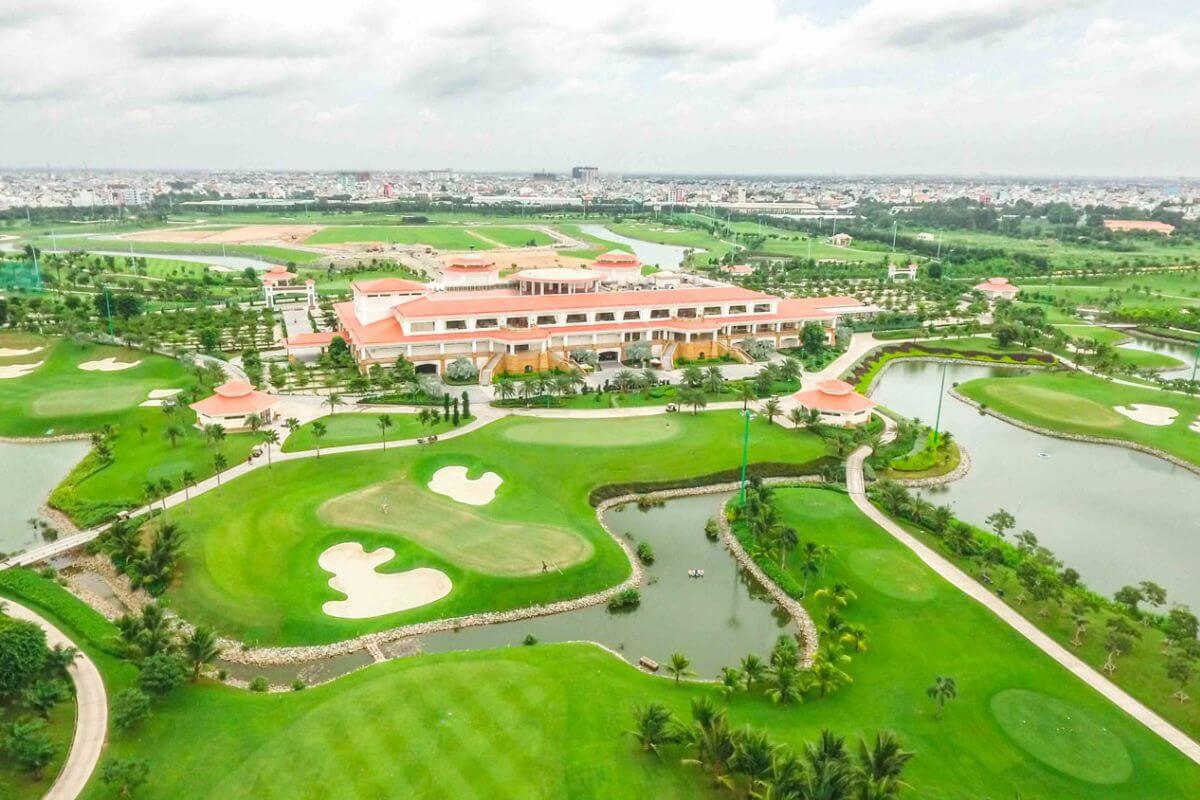
Hanoi works well as the beginning of a golf holiday because several courses can be reached from the city while travelers remain close to its cultural landmarks. Instead of moving hotels after every round, golfers can use Hanoi as a base and alternate playing days with local exploration.
A first visit should leave time for the Old Quarter, where narrow streets still reflect the trades that once defined different parts of the neighborhood. Hoan Kiem Lake, the Temple of Literature and the French Quarter can be combined into a half-day or full-day route depending on the traveler’s pace.
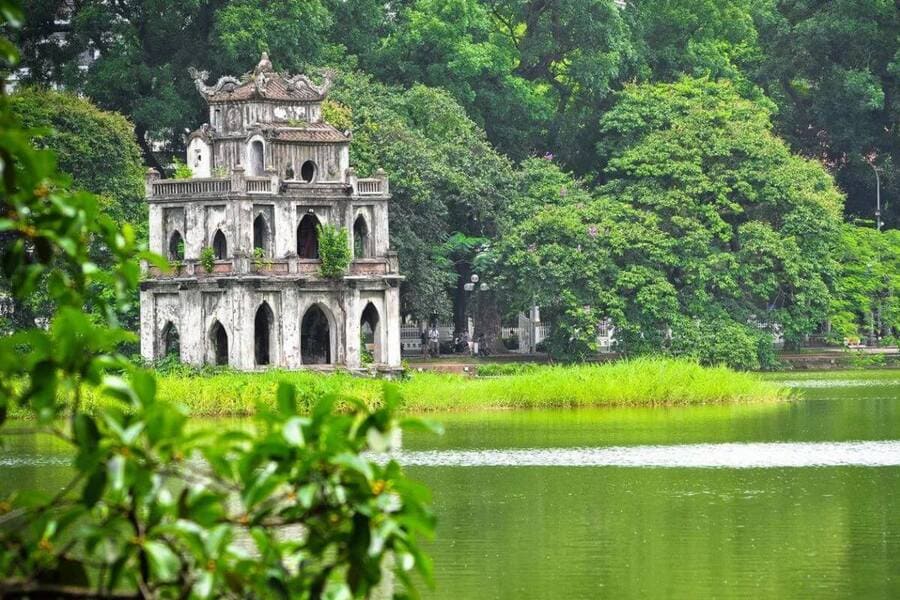
Food is another accessible way to experience the city. A guided walk may introduce visitors to dishes such as pho, bun cha and banh cuon while explaining how local eating habits have changed over time. This is often more engaging than simply visiting a list of monuments.
Those with an additional day can travel beyond central Hanoi. Duong Lam offers old houses, communal spaces and village lanes, while Bat Trang is known for its long tradition of ceramic production. These trips are manageable between golf days and provide a contrast to the polished environment of modern clubs.
For a longer northern itinerary, two days can be reserved for Halong Bay. An overnight cruise is generally more worthwhile than a rushed day trip because it gives travelers time to enjoy the bay after many short-stay groups have left. However, it should not be scheduled immediately before an early tee time because the road transfer back to Hanoi can be unpredictable.
Combine Danang Golf with Hoi An’s Heritage
Central Vietnam is arguably the easiest region in which to combine golf and culture. Several well-known courses are located around Danang and the nearby coast, while Hoi An Ancient Town is usually within a practical driving distance.
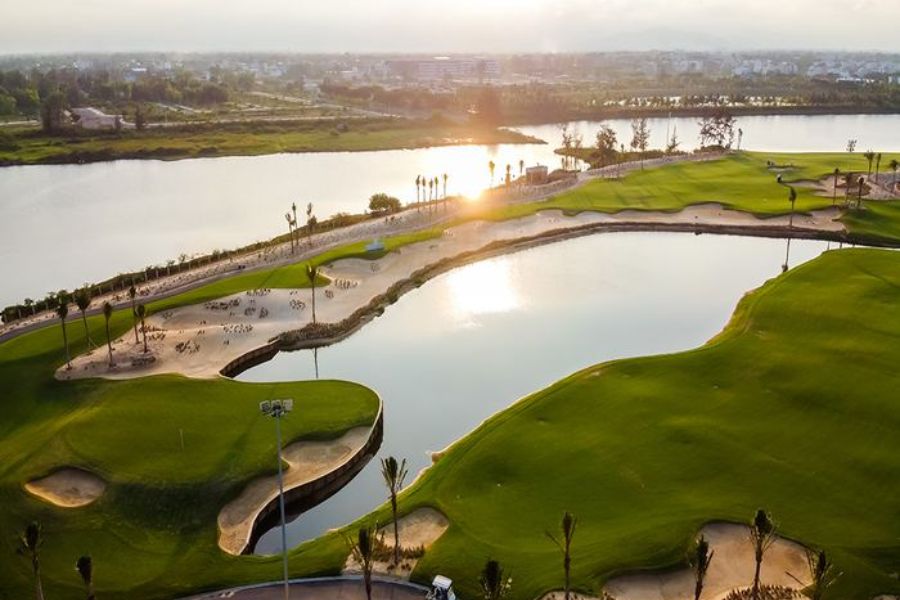
This makes it possible to play in the morning and spend the late afternoon in Hoi An. The town becomes especially atmospheric when the temperature drops and the streets are illuminated in the evening. Visitors can explore its old merchant houses, assembly halls and riverside lanes without needing an exhausting full-day schedule.
Still, Hoi An should not be treated as nothing more than an evening stop after golf. At least one golf-free day allows travelers to explore beyond the central streets. Possible activities include cycling through the surrounding countryside, visiting local workshops or joining a cooking experience that begins at a market.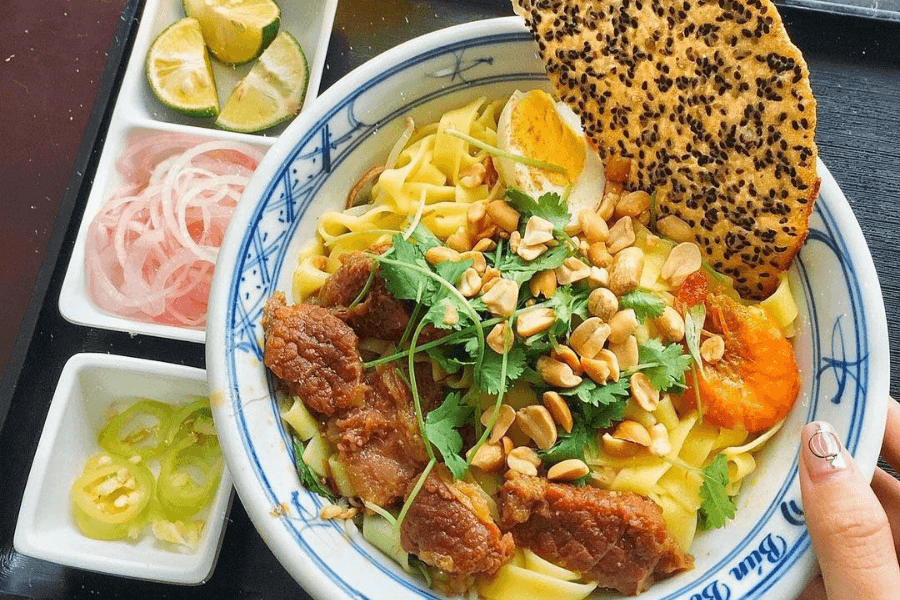
Travelers who prefer history and architecture can continue to My Son Sanctuary. The surviving Hindu temple structures offer insight into the Champa civilization, which played an important role in Central Vietnam for centuries. The site involves some walking and can become hot around midday, so an early visit is usually more comfortable.
Hue is another option, although it deserves more than a quick return trip from Danang. Travelers interested in imperial history can spend one or two nights there to visit the former citadel, royal tombs and pagodas along the Perfume River. Adding Hue makes most sense on itineraries of ten days or longer.
Add Local Experiences to a Southern Golf Trip
Ho Chi Minh City presents a different side of Vietnam. It is faster, busier and more commercially driven than Hanoi or Hoi An, but its history remains visible in former government buildings, museums, markets and older residential neighborhoods.
A golf itinerary in Southern Vietnam can include a city day before or after the main rounds. The Reunification Palace and War Remnants Museum provide historical context, while Cho Lon reveals the city’s long-standing Chinese-Vietnamese heritage. Travelers interested in architecture can also explore landmarks from the French colonial period alongside newer areas of the city.
Food experiences are particularly valuable here because the city has been shaped by migration from across Vietnam and neighboring countries. Instead of focusing only on famous dishes, visitors can explore how southern flavors differ from those in Hanoi or Central Vietnam.
The Mekong Delta can be added for a slower change of pace. However, not every delta tour provides a meaningful local experience. Short, crowded excursions sometimes involve more time on the road than in the destination. A private day trip to a less congested area or an overnight stay will usually allow more time for riverside communities, orchards and local workshops.
Golfers should avoid scheduling a Mekong journey directly after an intensive playing day if the excursion requires an early departure. A relaxed city evening between the two activities creates a more manageable rhythm.
Alternate Golf Days with Cultural Days
One of the most common planning mistakes is arranging consecutive rounds simply because the courses are available. While keen golfers may enjoy playing several days in a row, the schedule can become tiring once transfers, warm weather and early starts are considered.
Alternating activities usually creates a better overall journey. A simple pattern could be:
- Day 1: Arrival and rest
- Day 2: Golf
- Day 3: Cultural sightseeing
- Day 4: Golf
- Day 5: Countryside or food experience
- Day 6: Golf
- Day 7: Free time or departure
This structure gives golfers time to recover while ensuring that cultural activities do not feel like extras squeezed into the margins of the trip.
Not every non-golf day needs to be busy. A free morning, spa session or slow evening in the city can be just as valuable as another organized excursion. The goal is balance, not maximum activity.
Consider the Interests of Non-Golfing Companions
Golf holidays often include partners, friends or family members who do not play. Their experience should be considered from the beginning rather than addressed after all the tee times have been confirmed.
Danang and Hoi An are particularly suitable for mixed-interest groups because non-golfers can choose from beaches, spas, shopping, cooking classes and cultural attractions. Hanoi offers museums, food walks and craft villages, while Ho Chi Minh City has a broad range of shopping, dining and historical experiences.
Some activities can be enjoyed separately during the day before everyone meets for dinner. Shared cultural days should also be included, allowing the group to experience part of the destination together.
This approach works better than expecting non-golfers to wait at the resort or accompany players to every course. A successful mixed-interest itinerary gives each traveler some independence while preserving enough shared time.
Match Activities to the Season
Weather can influence both golf and sightseeing in Vietnam, but conditions vary by region. Northern Vietnam may be cool or misty in winter and hot during summer. Central Vietnam has a distinct rainy period, while the south remains warm for most of the year but experiences seasonal downpours.
Outdoor cultural activities should be planned with these differences in mind. In warmer months, walking tours, historic sites and village visits are best scheduled early in the day. Museums, cooking classes and spa treatments can fill the hotter afternoon hours.
Travelers should also leave some flexibility during periods of uncertain weather. A rigid itinerary with no alternative activities can create problems if a round is delayed or an outdoor excursion becomes uncomfortable.
It is worth checking the expected conditions in each destination rather than relying on a general description of Vietnam’s climate. Hanoi, Danang and Ho Chi Minh City can experience very different weather during the same week.
Allow Enough Time for Transfers
Distances that appear short on a map may take longer than expected because of city traffic or road conditions. Golf bags, hotel check-outs and domestic flights add further time to a multi-region journey.
On playing days, a generous transfer window is essential. Arriving late creates unnecessary stress and may affect the tee-time arrangement. Sightseeing should therefore be limited to locations that fit comfortably before or after the round.
When flying between regions, it is safer to treat the journey as a travel day rather than scheduling an important round soon after landing. Delays do happen, and checked golf equipment can make airport procedures slower.
Staying two or three nights in each destination also reduces packing and creates more opportunities for spontaneous experiences. A slower schedule often reveals more about Vietnam than an itinerary covering the greatest possible number of cities.
Build the Trip Around Quality, Not Quantity
Combining golf with culture does not mean adding every famous attraction to the itinerary. Three enjoyable rounds and several well-chosen experiences will usually produce a better holiday than five rounds surrounded by rushed sightseeing.
The most effective itineraries connect each course with its location. Northern golf can be paired with Hanoi’s history and village life. Coastal rounds near Danang can lead naturally into Hoi An’s heritage and Central Vietnamese cuisine. Southern courses can be balanced with the energy of Ho Chi Minh City and the slower landscapes of the Mekong Delta.
By choosing fewer regions, alternating golf with cultural days and allowing realistic transfer times, travelers can enjoy both sides of Vietnam without feeling pulled between them. The courses may provide the original reason for the trip, but the people, food and places encountered beyond the fairways are often what make the journey memorable.